
newnan
FENCING CONTRACTORS
NEWNAN fence EXPERTS
When designing and building fences, we combine knowledge, experience, skill, and attention to detail. Understanding fence-specific construction procedures, including proper post-setting and excavation methods, accurate measurement and layout methods, secure rail and picket attachment, and effective gate installation, is essential to our competence in fence building.
HIRING AN INSURED FENCING CONTRACTOR
Hiring a fence contractor with insurance provides you with financial stability, peace of mind, and guarantees that the contractor is responsible and committed to completing high-quality work in accordance with safety standards. Before dealing with any contractor, it is advisable to seek confirmation of insurance and to verify the coverage by contacting the insurance company directly.
HIRING AN INSURED FENCING CONTRACTOR
We offer a free estimate because it helps you understand the project's cost, makes planning, comparison, and decision-making easier, makes negotiating easier, and helps you avoid unpleasant surprises. When choosing a contractor and starting your fence project, this is a crucial stage.

MEETING NEWNAN NEEDS FOR FENCING
FENCES CAN BE CONSTRUCTED USING A VARIETY OF MATERIALS, EACH WITH ITS OWN SET OF ADVANTAGES AND CHARACTERISTICS. HERE ARE SOME COMMON TYPES OF MATERIALS USED FOR FENCES:
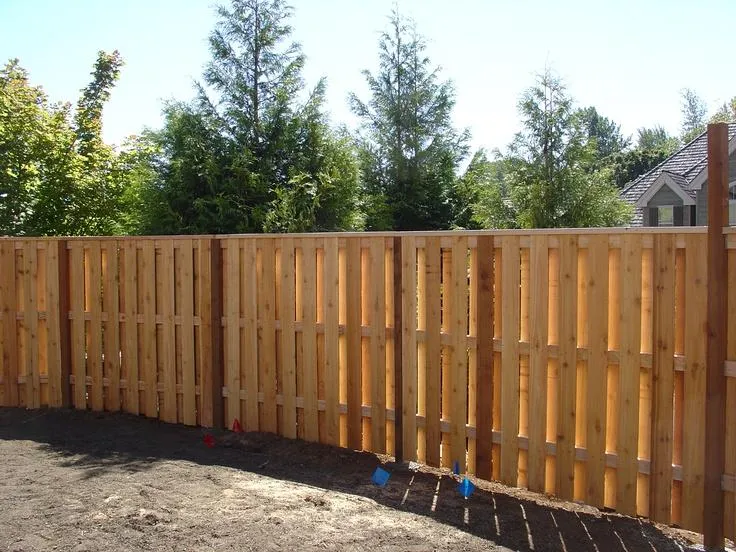
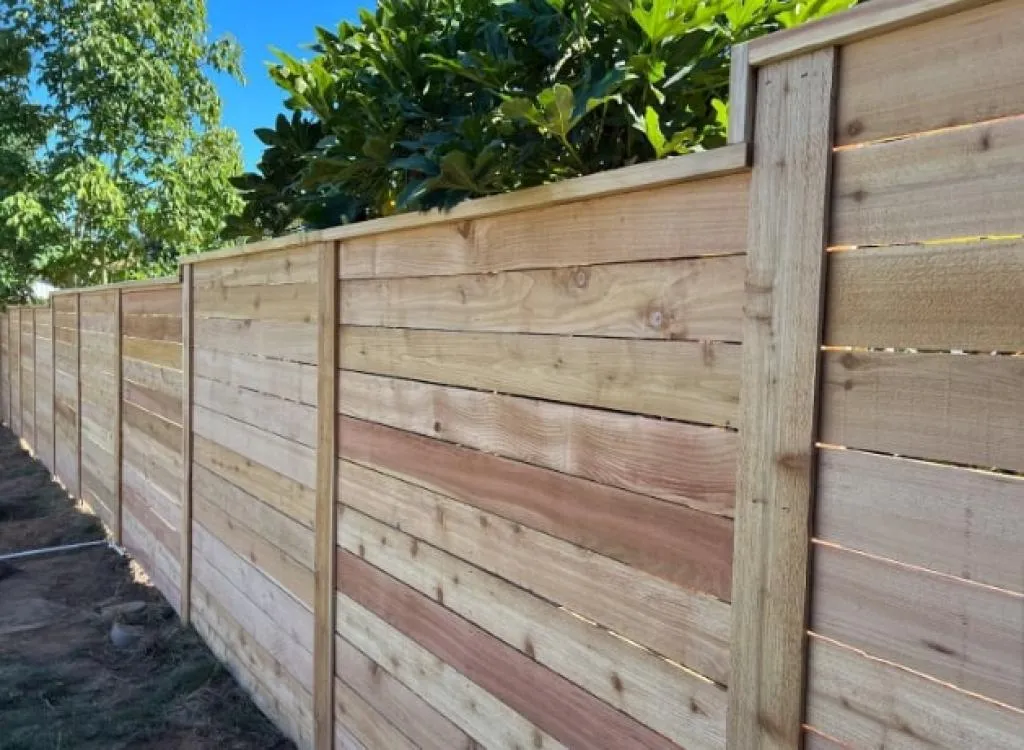
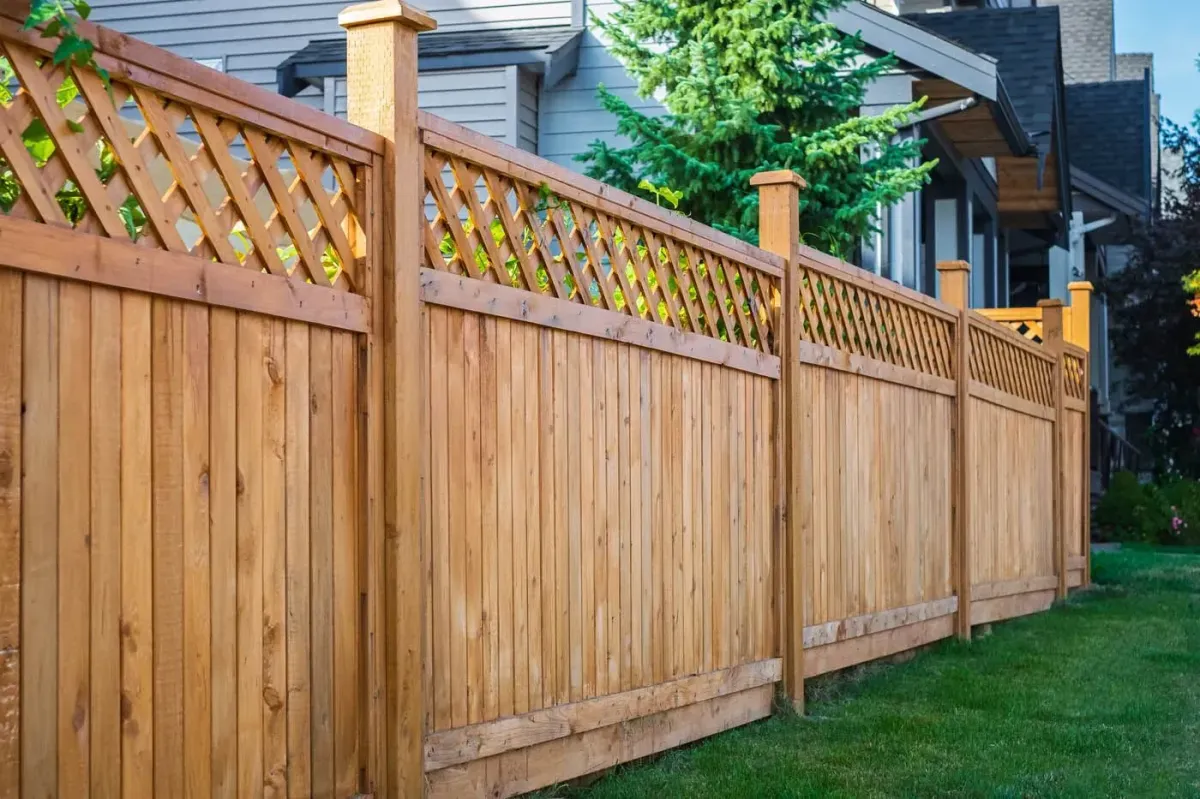
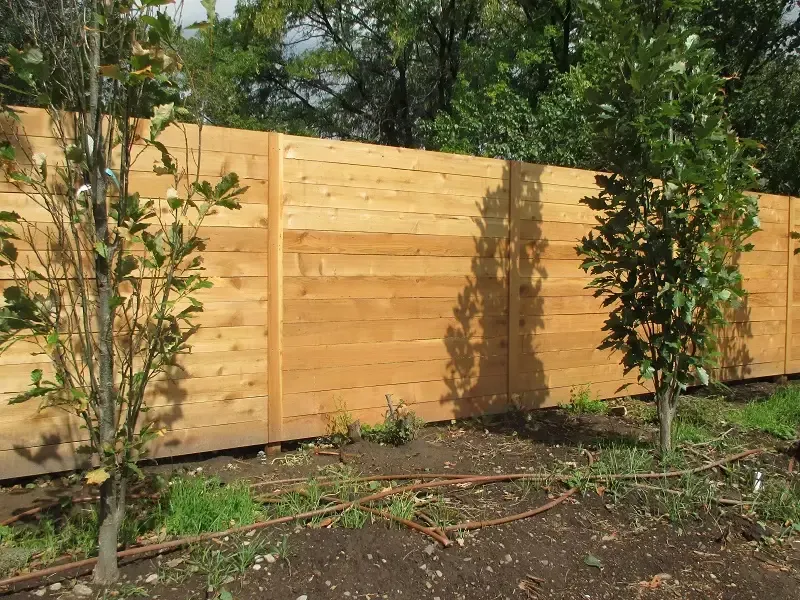
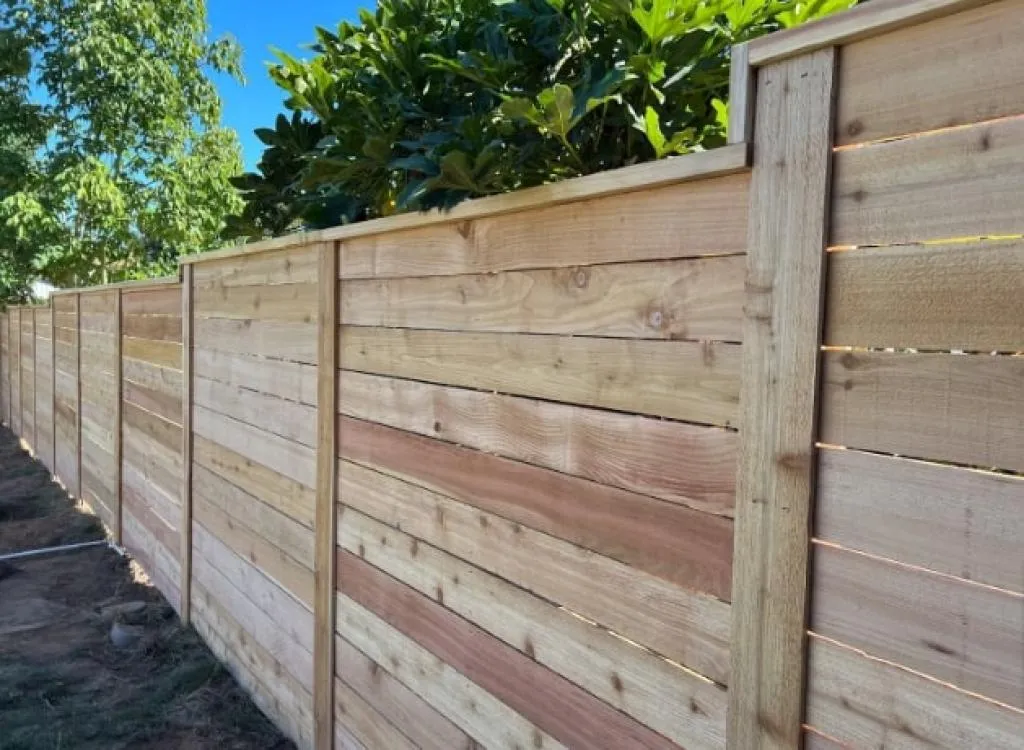
Wood: Wood is a popular choice for fencing thanks to its versatility and natural appeal. Common types include redwood, pine, spruce, and cedar. These fences provide privacy and security, with customizable heights and styles to suit different needs.
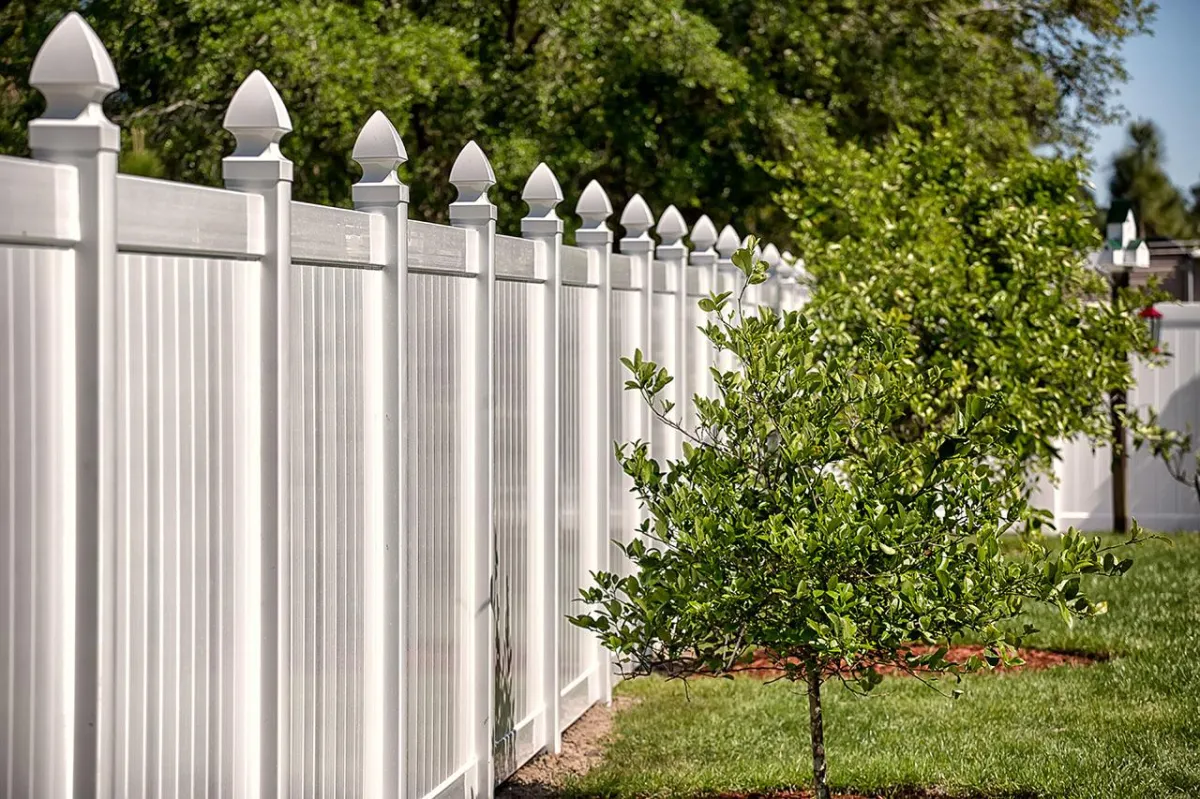
Vinyl: Vinyl fencing is valued for its durability, minimal maintenance, and resistance to pests, rot, and decay. Available in a wide range of styles, colors, and textures, vinyl fences require no painting or staining, making them a favored option for homeowners seeking an easy-care solution.
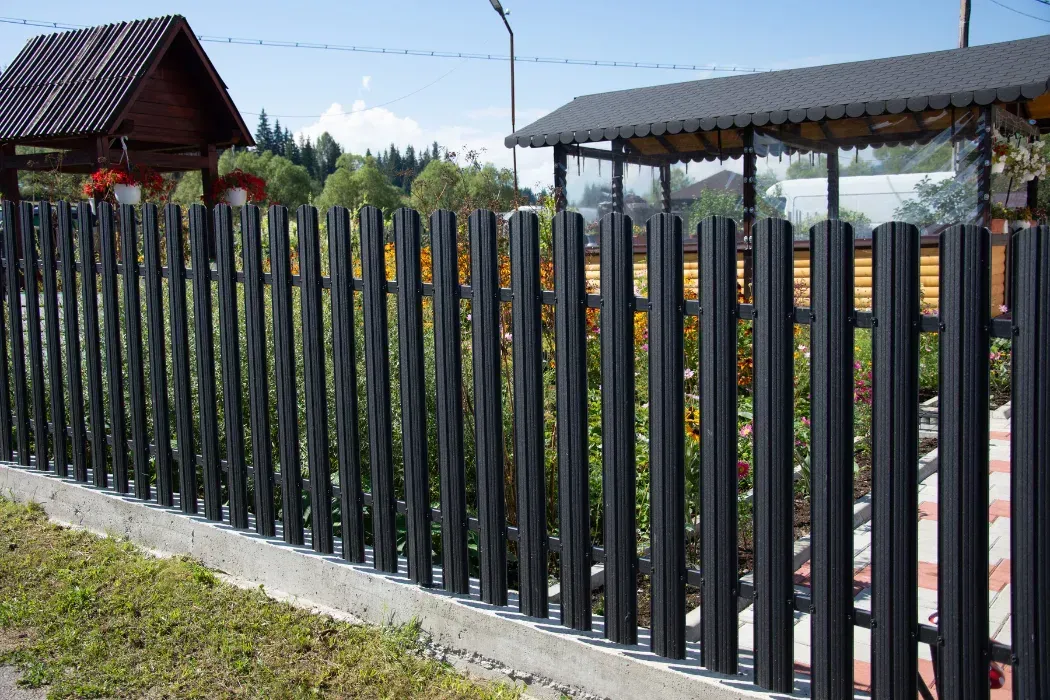
Metal: Fences made from steel, aluminum, or wrought iron are sturdy and offer excellent security. Steel and aluminum are chosen mainly for their strength and long lifespan, while wrought iron is prized for its decorative and elegant appearance. Suitable for both residential and commercial properties, metal fencing provides a long-lasting and customizable choice.
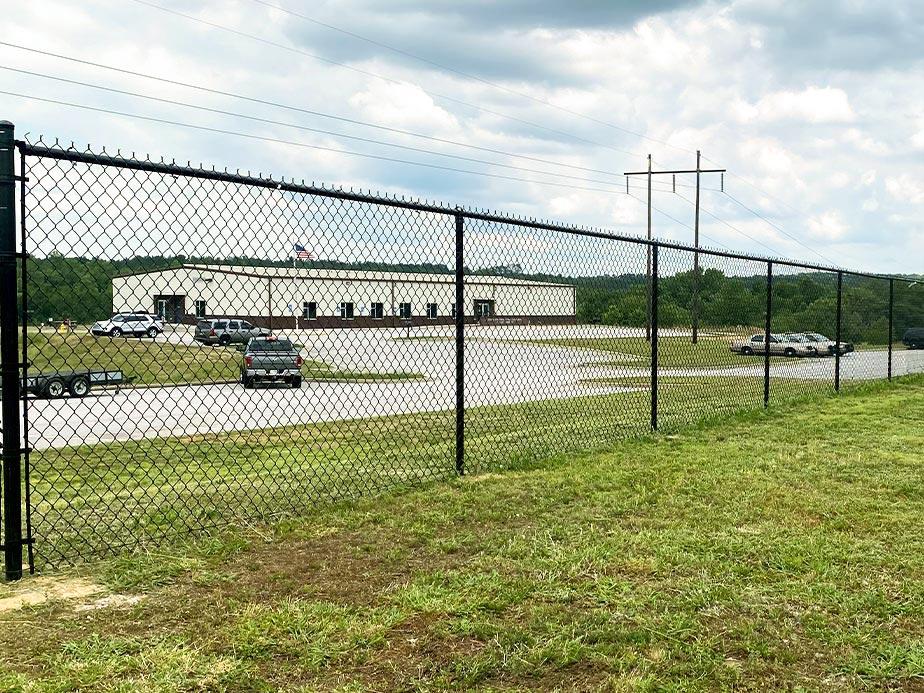
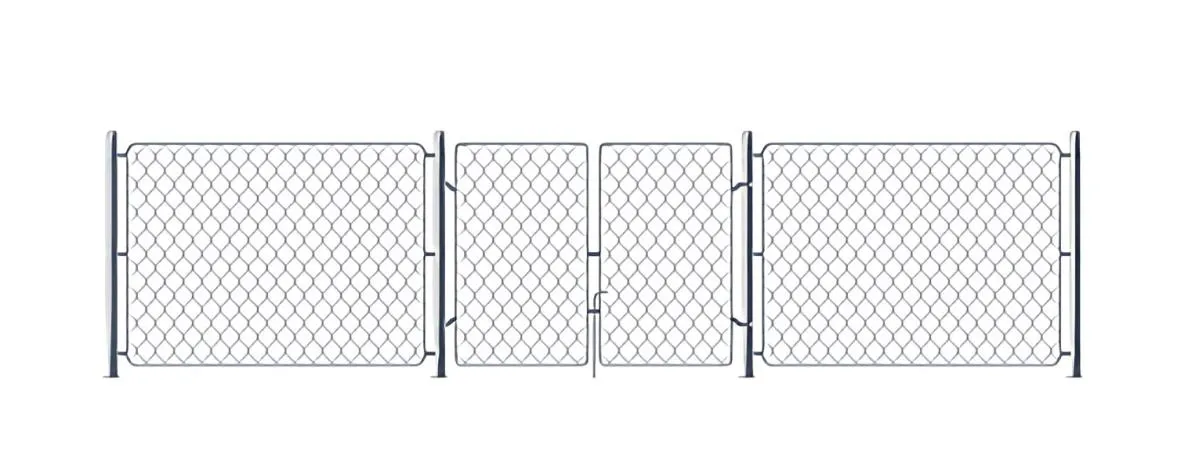
Chain Link: Chain link fences are an affordable and practical option, made from woven galvanized steel wires. They’re commonly used to mark property lines, enhance security, and enclose areas such as playgrounds, sports fields, or backyards. For added color and style, vinyl coatings can be applied to chain link fences.
OBTAINING A PERMIT FOR A FENCE
Research local regulations: Begin by investigating fencing regulations specific to your area. Reach out to your local municipal or city office, building department, or zoning department to learn about any permits, codes, or restrictions that may affect fence installation. These offices can provide the exact requirements and guidelines you need to follow.
Determine property boundaries: Before starting construction, it’s important to confirm the precise boundaries of your property. You may need to hire a licensed surveyor to accurately mark your property lines. This step ensures your fence remains entirely on your land and prevents any encroachment onto neighboring properties or public spaces.
Design and plan your fence: Decide on your fence’s design, materials, height, and layout. Ensure that your chosen style meets all local rules, which may include height limitations, setback requirements, or specific design standards. Some jurisdictions have distinct regulations for front yard fences, backyard fences, or those positioned near roads and intersections.
Submit permit application: After finalizing your design and plans, file a fence permit application with the appropriate local authority. This application generally requires details such as your property information, fence measurements, chosen materials, and construction techniques. You might also need to provide a site plan or drawings showing exactly where the fence will be located on your property.
Pay fees: When submitting your application, you may also be required to pay certain fees. These fees vary based on location as well as the size and complexity of your project. Your local authority will inform you of the exact cost and acceptable payment methods.
Wait for approval: Once your permit application is submitted, local officials will review it to confirm compliance with relevant regulations, zoning laws, and any other applicable standards. The review period can differ, taking anywhere from a few days to several weeks before you receive a decision.
Obtain permit and start construction: If your application is approved, you’ll be issued the official permit. Keep a copy of this permit available at the construction site, as inspectors or officials may ask to see it. Be sure to follow the approved design and construction guidelines throughout the building process.
Inspection and final approval: In some areas, the completed fence must undergo a final inspection by local authorities before the project receives full approval. If an inspection is required, arrange one with the appropriate department. After your fence passes, you’ll be granted final authorization for the project.
CHOOSING A FENCE MATERIAL
When choosing the right fence material for your property, several factors should be considered. Here are some key considerations to help you make an informed decision.
Purpose and Function: Determine the primary purpose of the fence. Are you looking to enhance privacy, provide security, create a boundary, keep pets or children safe, or simply add aesthetic appeal? Understanding the main function will guide you in selecting a suitable material.
Style and Aesthetics: Consider the architectural style of your property and the overall aesthetic you want to achieve. Different materials offer varying looks, from the natural and rustic appearance of wood to the sleek and modern look of metal or vinyl. Choose a material that complements the style and character of your home and surrounding landscape.
Durability and Maintenance: Assess the level of maintenance you are willing to undertake and the durability required for your fence. Some materials, like vinyl or aluminum, are low-maintenance and resistant to rot, insects, and weathering. Wood fences, while visually appealing, often require more maintenance, such as staining or painting, and may be susceptible to rot or insect damage over time.
Climate Considerations: Take into account the climate and weather conditions in your area. For example, if you live in a region with high humidity or frequent rainfall, you might want to choose a material that is resistant to moisture and decay. In areas with strong winds or extreme temperatures, selecting a sturdy and weather-resistant material becomes crucial.
Privacy and Security: Determine the level of privacy and security you require. Solid materials like wood, vinyl, or composite offer better privacy, while chain link or wrought iron may prioritize security with a clear view of the surroundings. Some materials can be combined to create a balance between privacy and visibility.
Budget: Set a budget for your fence project. Different materials vary in cost, with some options being more affordable than others. Consider not only the upfront cost of materials but also long-term expenses associated with maintenance and repairs.
Local Regulations: Understand any local regulations, HOA (Homeowners Association) guidelines, or neighborhood covenants that may dictate the type of materials allowed, fence height restrictions, or design limitations. Ensure that your chosen material complies with these regulations.
Environmental Impact: If environmental sustainability is important to you, explore eco-friendly options. Materials like bamboo, composite, or reclaimed wood can be more environmentally friendly choices compared to materials that require significant resources or have a larger carbon footprint.
CHOOSING A FENCE DESIGN
When selecting a fence design for your home, you have a wide range of choices. The right design will depend on factors such as your personal preferences, the intended purpose of the fence, the overall architectural style of your property, and any applicable local rules or restrictions. Below are some of the most common fence design options to explore.
Solid panel fences feature uninterrupted panels that deliver both privacy and security. These can be crafted from various materials, including wood, vinyl, or composite. Solid panel fences can be customized in height and may include decorative accents or ornamental details.
Picket fences are recognized for their evenly spaced vertical boards, or pickets, which are fixed to horizontal rails. Commonly built from wood or vinyl, they offer a timeless, traditional appearance. Depending on the purpose, picket fences may be shorter for purely decorative appeal or taller to combine aesthetics with property boundary definition.
Lattice fences are made from panels or sheets arranged in a crisscross pattern, creating diamond-shaped openings. They provide partial privacy, add visual interest, and allow light and airflow. This style is frequently chosen for decorative purposes or as support for climbing plants.
Shadow box fences are constructed with alternating panels mounted on opposite sides of the fence rails. This arrangement delivers privacy while still permitting airflow and partial visibility. Shadow box fences are also visually appealing since they present an attractive view from both sides.
Horizontal slat fences are composed of boards or slats positioned horizontally between fence posts, offering a sleek, modern appearance. These fences can be built from wood, composite materials, or metal, creating a streamlined and contemporary aesthetic.
Wrought iron fences are admired for their elaborate and decorative craftsmanship, often incorporating intricate patterns, scrollwork, or finials. Customizable to complement the architecture of your home, they are often selected to boost the curb appeal of historic or sophisticated properties.
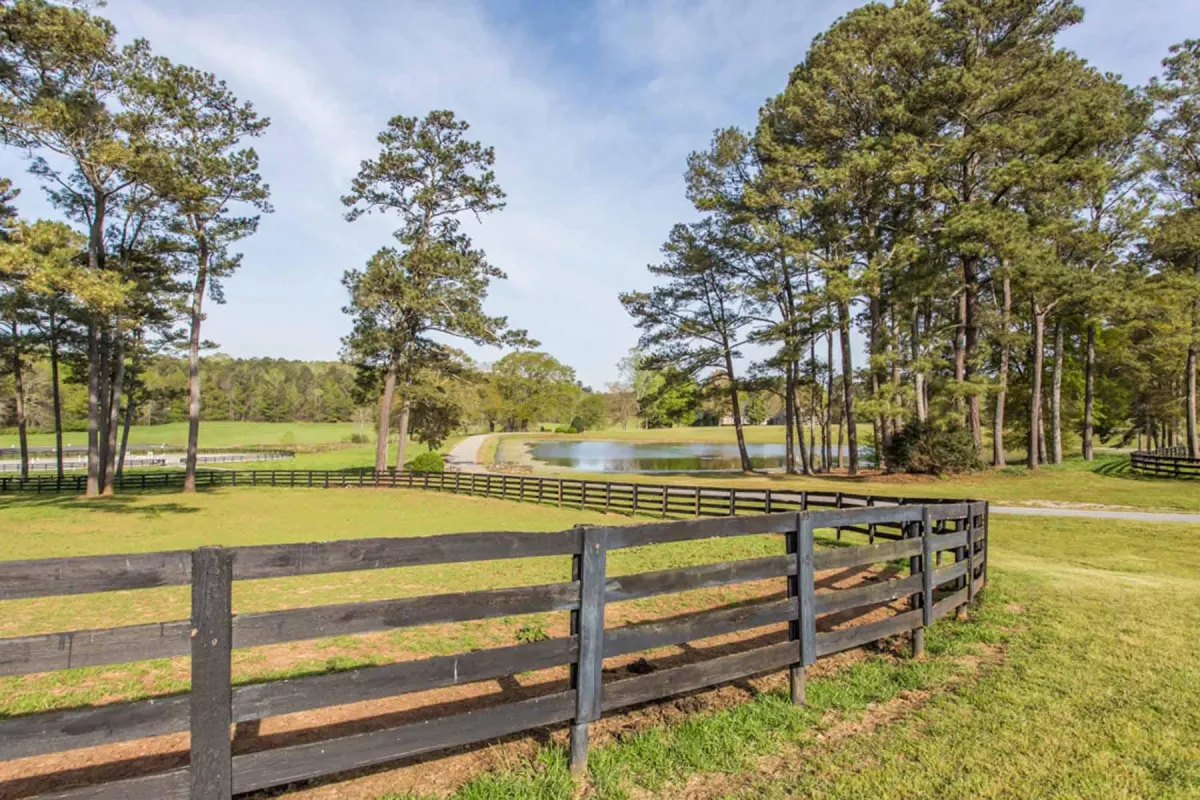
Farmhouse or rustic-style fences typically use wooden posts and rails, sometimes combined with wire mesh or pickets. This style suits rural or country homes and delivers a warm, traditional character.
Modern or minimalist fences emphasize clean lines, geometric forms, and an uncluttered appearance. Materials such as metal, aluminum, or composite are often used to achieve a contemporary, streamlined look.
REMOVAL OF EXISTING FENCING
We can remove existing fencing safely and efficiently based on the type of fence, its size, materials used, and any unique circumstances. Before starting the removal process, we’ll clear any obstacles or debris around the fence to create a safe and accessible working environment and come equipped with all the necessary tools and equipment for the job. If your fence is connected to any utility lines, such as electrical or irrigation systems, we’ll disconnect them safely before proceeding with the removal. This may involve shutting off power or water supply to the affected areas. Disassembling the fence and removing fence posts are the next steps, and post removal may involve using a shovel or post hole digger to excavate the soil around the post or cutting it off near ground level. As we remove the fence components, we’ll gather and separate the materials for proper disposal or recycling. Depending on local regulations and guidelines, you may need to arrange for a waste disposal service or take the materials to a recycling facility. We’ll also ensure any leftover nails, screws, or other small debris are carefully collected to prevent potential hazards. Once the fence is fully removed, we’ll restore the appearance of the site where the fence once stood by leveling the ground.
REPLACEMENT VS. REPAIR
It's important to remember that each fence situation is unique, and the decision to repair or replace depends on your preferences, budget, and specific circumstances. Assess the extent of the damage to your fence. Minor issues like loose boards, broken pickets, or small holes can often be repaired without replacing the entire fence. However, if the damage is widespread, significant, or structural in nature, it may be more practical and cost-effective to replace the fence. Consider the age and overall condition of the fence. If your fence is old, deteriorating, or showing signs of extensive wear and tear, repairing individual components may only provide a temporary fix. Consider the maintenance requirements of your existing fence versus a new fence.
SECURING YOUR PROPERTY WITH FENCING
Your property's security can be improved in a number of ways by installing a fence. A fence delineates the perimeter of your property and serves as a physical barrier. Additionally, a fence gives you control over who can enter your property. Gates, locks, and other security systems can be incorporated into the design to restrict access to specific sections. This improves overall security by enabling you to keep an eye on and control who enters your home. Fences with privacy features, including tall designs or solid panels, can make it harder for strangers to see your property and what you do on it. Potential intruders may be discouraged by a fence that is well-maintained and noticeable. Additionally, it gives your property a well-defined boundary and guarantees that you have a safe space for kids and pets to play and run around in without worrying about them getting lost or running into hazards.
INCREASING YOUR PROPERTY VALUE AND CURB APPEAL
When choosing a fence for curb appeal, you should consider the architectural style of your home, the overall design aesthetic you want to achieve, and how well the fence blends in with your landscaping. Selecting a fence material, color, and style that complements the existing features of your home and improves its overall curb appeal is crucial.
EXCEPTIONAL CUSTOMER SERVICE GUARANTEED
By continuously providing exceptional customer service, we hope to earn your trust and go above and beyond your expectations as your next concrete contractor. Our employees are qualified to answer inquiries, handle problems, recommend required services, guarantee the safety of individuals and property, give a precise price quote for maintenance or new installations, and let you know when our team will be arriving.
REQUESTING A FREE ESTIMATE
Get a free estimate now for any of our fencing services in Newnan. Our team of professionals understands the requirements of single- and multi-family homes, townhouses, and condominiums. We are always available to assist with the construction of new homes as well as the needs of both older and modern properties.
FENCING CONTRACTOR VS. GENERAL CONTRACTOR
Hiring a fence specialist, rather than a general contractor, can offer several advantages when it comes to fence-related projects. Our fence specialists have specific expertise and knowledge in the field of fences. We specialize in designing, installing, and repairing fences, and possess in-depth knowledge of various fence materials, styles, and installation techniques. Because of our specific expertise, we are able to offer more insightful advice, give well-informed suggestions, and guarantee the best possible quality and craftsmanship for your fence project. Additionally, we are knowledgeable about the zoning laws, local ordinances, and permission procedures that pertain to the installation of fences. This guarantees that your project will abide by all applicable laws, preventing any problems or fines brought on by incorrect installation. Furthermore, we provide customized solutions according to your unique requirements and tastes. In order to minimize any inconvenience caused by a fence project, we also have a simplified procedure for installation and repairs. Additional advantages to pick us as your next fence contractor include our access to reputable suppliers, our availability of premium fence materials, and our capacity to suggest and locate materials that satisfy your needs in terms of affordability, durability, and beauty.
MARKING OF BOUNDARIES AND UTILITIES
Prior to building a fence, it is essential to ascertain the exact boundaries of your property. We will help ensure that a new fence is constructed inside the boundaries of your property and does not encroach on neighboring properties or public space. Additionally, we will inform you of any utilities that could impede our operation and develop a plan to avoid any disruptions.
FENCE DESIGN AND CONSULTATION
Our fence experts can offer customized solutions based on your unique needs and preferences. We will provide customized recommendations for the types, styles, and features of your fence after assessing your property and learning about your needs. Our expertise allows us to offer suitable solutions that satisfy your needs in terms of aesthetics, security, and budget, among other aspects.
FENCE GATE INSTALLATION
Like any exterior buildings, fences need to be maintained on a regular basis to maintain its longevity, usefulness, and aesthetic appeal. Depending on the kind of fence material chosen, different maintenance requirements may apply. To get rid of dirt, dust, debris, and any organic development like moss or algae, we advise doing a routine cleaning.
FENCE MAINTENANCE
Like any exterior buildings, fences need to be maintained on a regular basis to maintain its longevity, usefulness, and aesthetic appeal. Depending on the kind of fence material chosen, different maintenance requirements may apply. To get rid of dirt, dust, debris, and any organic development like moss or algae, we advise doing a routine cleaning. Scrub the fence surfaces with water, a light detergent, and a soft brush. To spot any indications of damage, including loose boards, broken pickets, or corroded parts, periodically inspect your fence. Make sure the fence is correctly oriented and check the stability of the fence posts. Deal with any problems right away to stop additional harm. Make the required repairs as soon as you can. For protection against moisture, UV rays, and other weathering impacts, your wood fence might need to be painted or stained on a regular basis. Take precautions against rust if your fence is made of metal, such as steel or iron. To provide a barrier against oxidation and moisture, apply a paint or protective coating made especially for metal fences. Regularly check the fence for any indications of rust, and if you find any, take quick action to remove it and apply touch-up paint. To guarantee flawless functioning, oil fences with moving parts on a regular basis, such as gate hinges or locks. To keep shrubs, vines, and other overgrown vegetation from putting undue strain on the fence or causing damage, trim them back. Lastly, especially if your fence is made of wood, check it frequently for indications of pests like termites or carpenter ants.
FENCING CONTRACTOR CREDENTIALS
As experienced fence contractors, we possess the knowledge, skills, and experience required to design, develop, construct, and fix fences correctly. In addition to being certified and insured, we have experience with a range of fencing situations and challenges and are knowledgeable about local fence installation rules, ordinances, and permit requirements. In addition, we have design and planning skills and product and material understanding. We take pride in our work and pay great attention to even the smallest details when building a sturdy and attractive fence. As your local fence company, we are committed to offering top-notch customer service, which includes post-purchase support and warranties on their work.
THE CHALLENGE OF DIY FENCING
Even while some do-it-yourselfers are successful at building their own fences, it's crucial to carefully weigh the hazards and difficulties. A lack of experience could make it difficult to make sure the fence is correctly aligned and physically robust. Additionally, you can choose the incorrect kind of materials for your fence, which could lead to problems down the road with performance, durability, and upkeep. An uneven or crooked fence may be the result of inaccurate or irregular measurements. You might not be prepared to handle challenging ground conditions and find it tough to establish a stable foundation or install fence posts correctly. Ignoring the rules and specifications when erecting a fence is another frequent do-it-yourself problem. You might have to remove your new fence as a result. Additionally, there is a higher chance of accidents and injuries when working with tools and heavy materials if safety precautions are neglected.
INCREASING CURB APPEAL WITH FENCING
A well-kept and aesthetically pleasing fence can increase the overall value of a property. The presence of a fence can increase the perceived value of the house because it is often considered a desirable feature by appraisers or prospective purchasers. Additionally, a well-built fence can increase the perceived security of a property, which is often considered a desirable feature.
MOST COST-FRIENDLY TYPE OF FENCING
Numerous factors, such as your region, the materials that are accessible, and the prices of the market at the moment, may influence which type of fence material is the most cost-effective. However, generally speaking, some materials are considered to be less costly than others. Often, the least expensive option is a chain link fence. They are made of interwoven steel wires and are typically affixed to metal poles. Chain link fences provide basic security and can be used to mark the boundaries of a property or to keep pets inside. They are robust and require little upkeep, although they might not offer much privacy.
FENCING FOR PRIVACY NEEDS
Certain fence designs are better suited for creating a secluded and private outdoor space in terms of seclusion. We suggest erecting strong wood fences that completely block the view from the outside and choosing a fence height that conforms with local regulations. Low-maintenance vinyl or metal privacy fences can also be installed by us. One option for a private, exotic touch is a bamboo fence with canes or stalks.
HOW TO CHOOSE A FENCE MATERIAL
A number of considerations must be taken into account when selecting a fence material, including the fence's intended use, desired aesthetics, budget, maintenance needs, and local laws. Establish whether the fence's main function is to provide privacy, security, pet or child containment, or to improve the appearance of your property. Think on the general aesthetic and design you wish to accomplish for your home. Select a material that improves curb appeal and blends in with your home's architectural design. Consider the longevity, durability, and maintenance needs of various fence materials. Establish a reasonable spending limit for your fence project and look into materials that will work inside it. Additionally, any rules that may specify the kind of fence materials and height permitted may be found in your local building codes, neighborhood association guidelines, and other laws. Select a sustainable material while keeping in mind the local environment and weather. You want a fence that’s environmentally friendly.
TYPES OF WOOD FOR FENCING
When constructing fences, a variety of wood types are frequently utilized. A number of variables, including cost, availability, durability, and look, influence the choice of wood. Because of its inherent resistance to rot, insects, and decay, cedar is a very popular material for fences. Another long-lasting and naturally resistant wood species that is frequently used for fences is redwood, which has a gorgeous reddish-brown color with a straight grain. It has a distinctive reddish-brown hue and a straight grain pattern, and it’s known for its beauty, stability, and resistance to rot and insects. Both cedar and redwood require minimal maintenance. Pine is a cost-effective option for fence construction, and it’s softer compared to cedar or redwood, so it may be more prone to dents and scratches. Regular maintenance, such as sealing or painting, is typically required to protect pine fences from rot and decay. Spruce is another affordable wood commonly used for fences. It is lighter in color and has a straight grain pattern. Proper maintenance, such as regular staining or painting, is necessary to protect spruce fences from weathering and decay. A light yellow-brown wood that weathers to a silver-gray over time, cypress is strong and resistant to decay. Cypress fences can be stained or left untreated, and they are renowned for their inherent beauty. They are resistant to rot and insects and require little upkeep. Strong and long-lasting, oak is a wood that can be utilized for more expensive fences. It can be stained or left unfinished, and it has a unique grain pattern. Although oak fences are renowned for their durability and strength, they could need more upkeep than fences made of other types of wood.
FENCING FOR ALL TYPES OF PROPERTY
We can repair and replace fences on a range of property types in and around Newnan, regardless of their size. Both new and older homes, as well as residences that have already been built, are common projects for our expertise. Regardless of the size of your property or the amount of installation or maintenance work that needs to be done, we can assist you in finding a solution that meets your goals and budget.
EXCEPTIONAL CUSTOMER SERVICE
As your next concrete contractor, we aim to gain your confidence and go above and beyond your expectations. We pledge that every single home in
Whether it's answering your questions, giving you advice, ensuring the safety of each repair or installation project, accurately estimating the cost of materials and labor, or keeping you informed about the arrival time of our team, we'll keep giving Newnan the same exceptional customer service.
FREE FENCING ESTIMATES
We're glad you came across us when you required concrete repair and installation services. Please let us know how we can fulfill your requirements and realize your vision for your Newnan house and land. A concrete professional will contact you to arrange a free estimate for any of our services.
GIVE US FEEDBACK
The helpful feedback from Newnan residents like you allows us to further enhance our offerings. Please contact us immediately if you have any feedback regarding the specific fence installation or repair work we performed at your home.
SHARE A RECOMMENDATION
We greatly value your favorable comments on review websites and social media. When other Newnan homeowners start searching for local concrete services, telling your neighbors about your experience with our experts and the outcome of the installation or repairs is a great resource.
OUR PROMISE TO HOMEOWNERS IN NEWNAN
We promise to listen to your demands, address any concerns, and provide you with comprehensive details about the project's scope, budget, and timeline as your local expert fence builder. Our promptness, decency, and transparency at every turn show that we have the highest standards for customer service.
NEWNAN CONTRACTORS |
NEWNAN, GEORGIA
Testimonials
Because of valuable feedback from Jupiter residents like you, we can continue to improve our services. Please contact us immediately if you have any feedback on the specific concrete repair or installation project that we completed at your home. Your positive feedback on social media and review sites is much appreciated. Letting your neighbors know about your interaction with our professionals and the results of the repairs or installation is a valuable resource for other Jupiter residents when they begin looking for local concrete services.


John doe

Lorem ipsum dolor sit amet, consectetur adipiscing elit, sed do eiusmod tempor incididunt ut labore et dolore magna aliqua. Ut enim ad minim veniam.

John doe
Lorem ipsum dolor sit amet, consectetur adipiscing elit, sed do eiusmod tempor incididunt ut labore et dolore magna aliqua. Ut enim ad minim veniam.

John doe
Lorem ipsum dolor sit amet, consectetur adipiscing elit, sed do eiusmod tempor incididunt ut labore et dolore magna aliqua. Ut enim ad minim veniam.